

Women’s Indoor Shoes During Regency England
Learn all about indoor shoes for women during the Regency period, including dancing shoes and house slippers.
Regency England (1811-1820) was an era renowned for its refined fashion and elegant styles. From head to toe, every element of a woman’s attire was carefully chosen to reflect her social status and adherence to the prevailing fashion trends.
In my book A Most Beloved Sister, Elizabeth Bennet is given devastating news. Her feelings overwhelm her, and she runs outside in her indoor slippers, going as far and as fast as she can. This emotional sprint causes her to damage the soles of her feet.
Some readers expressed doubt about the situation, but I think it’s because they equated the term “slippers” with how we think of modern-day slippers. Shoes in the Regency Period were quite different than what we have today, so I decided to write this article about it.
This article explores the world of women’s indoor shoes during Regency England, shedding light on the designs, materials, and cultural significance of footwear within the walls of grand estates and elegant drawing rooms.
Embracing Delicacy: Shoe Silhouettes
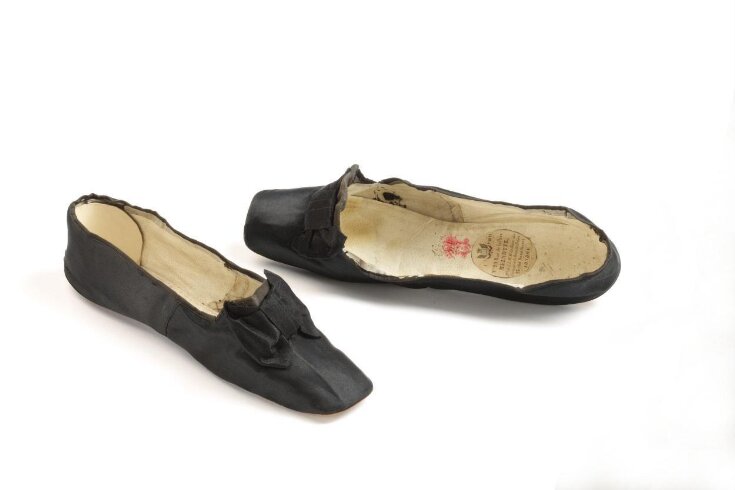
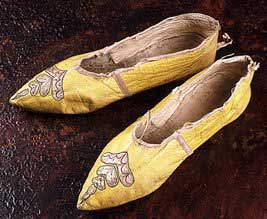
The Regency era witnessed a shift in women’s footwear, with indoor shoes embracing lighter and more delicate designs. The popularity of neoclassical influences led to a preference for slipper-style shoes. These slippers featured low heels or were entirely flat, allowing for ease of movement within the confines of an indoor setting. The pointed toes and rounded vamps gave the shoes an elegant and feminine appearance.
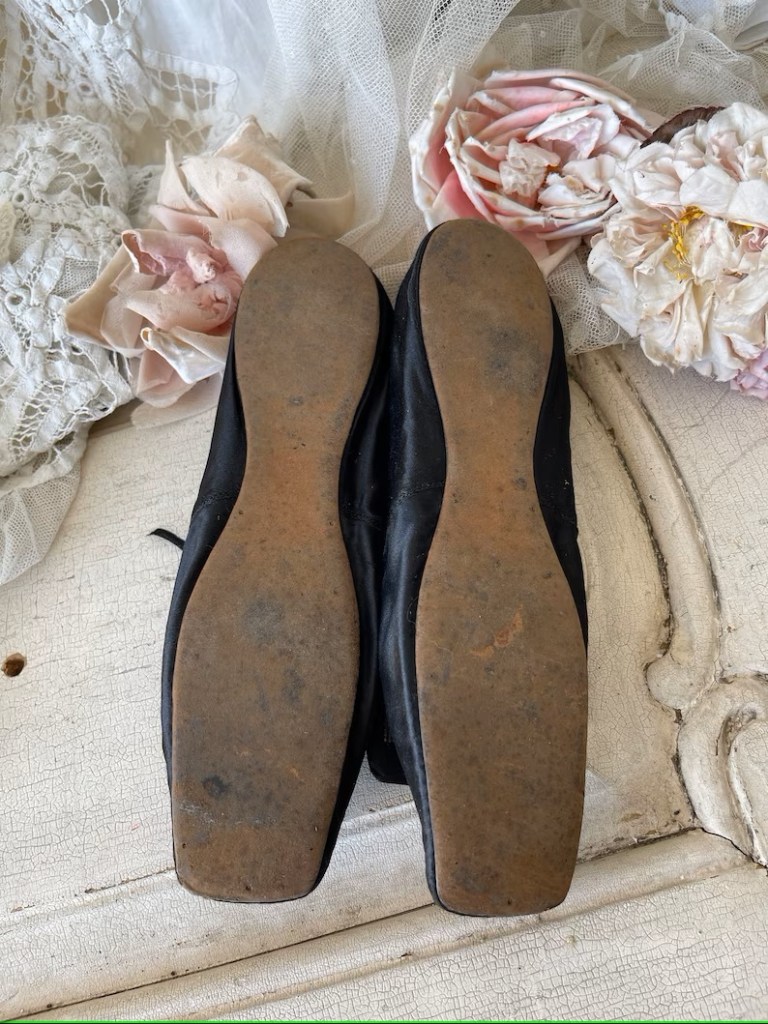
Women’s indoor shoes in Regency England were crafted from luxurious materials, such as silk, satin, and delicate kid leather. This includes the soles of those shoes, which were often referred to as “house slippers.”
These fabrics provided a smooth and supple texture, enhancing the overall elegance of the footwear. Silk and satin shoes were often adorned with tasteful embroidery or delicate lace overlays, adding an extra layer of refinement to their appearance.
Skilled artisans meticulously crafted Regency indoor shoes, paying careful attention to detail. These shoes were often hand-stitched, showcasing the fine craftsmanship that went into their creation. The combination of exquisite materials and meticulous workmanship made these shoes highly sought after by fashionable ladies of the time.
Decorative Embellishments
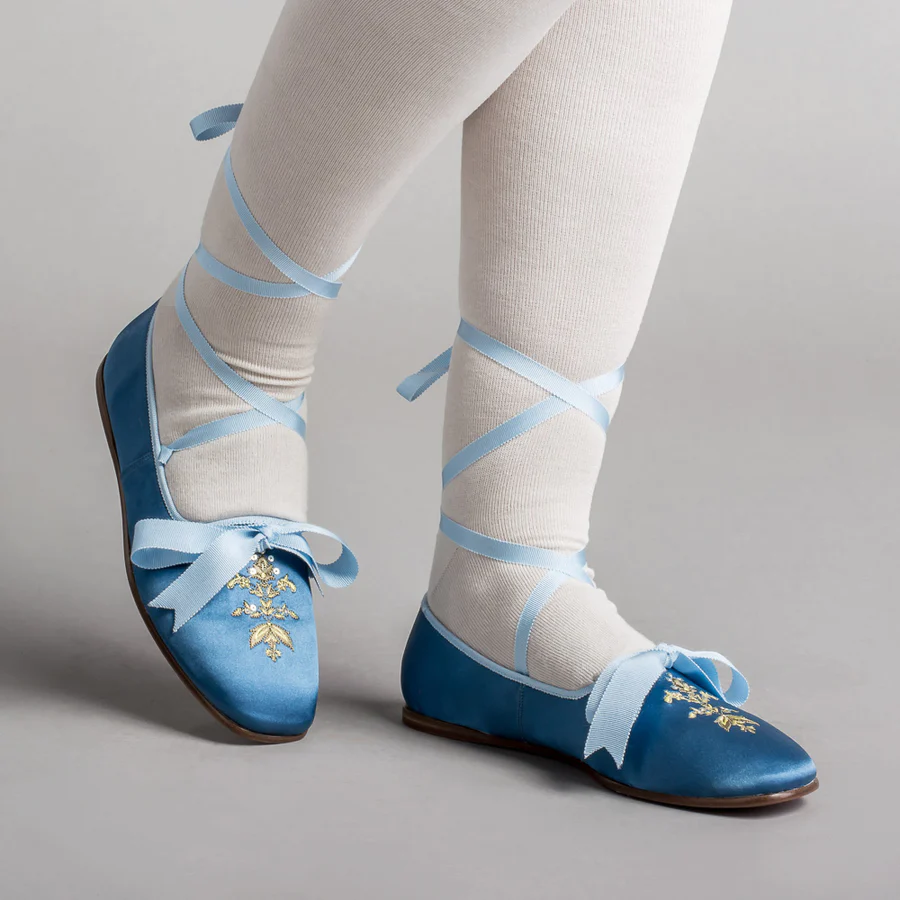
Embellishments played a significant role in the design of Regency indoor shoes. Delicate decorative elements, such as silk ribbons, bows, and embroidery, adorned the vamp or encircled the ankle. These embellishments were subtle and refined, adding a touch of femininity and sophistication to the shoes without overwhelming their overall appearance.
The color palette for indoor shoes leaned towards pastel shades, including soft pinks, light blues, and creamy ivories. These colors complemented the delicate fabrics and exuded an air of gentleness and grace.
The Influence of Dance and Social Gatherings
Dancing was an integral part of Regency social gatherings, and women’s indoor shoes needed to be both stylish and functional for these occasions. Slipper-style shoes allowed for ease of movement during dances like the quadrille and waltz, with their low heels providing stability and comfort.
The design of indoor shoes was also influenced by the desire to match the overall aesthetic of Regency fashion. Women sought shoes that complemented the delicate fabrics, elaborate gowns, and intricate hairstyles prevalent during the era. Indoor shoes were often chosen to coordinate with the color and style of the dress, creating a harmonious and cohesive ensemble.
Symbolism and Societal Significance
Women’s indoor shoes in Regency England held symbolic value and were indicative of a woman’s social status and refinement. Fine, well-crafted shoes made from luxurious materials demonstrated wealth and taste. The choice of indoor footwear spoke to a lady’s attention to detail and her adherence to societal norms.
The act of donning elegant indoor shoes was a demonstration of respect for the social etiquette of the time. Wearing appropriate footwear within the confines of one’s home or during intimate gatherings signified an understanding of propriety and a commitment to maintaining a refined appearance.
Women’s indoor shoes during Regency England epitomized elegance and sophistication. Slipper-style designs, crafted from luxurious materials and adorned with subtle embellishments, allowed women to move gracefully within the confines of indoor settings. These shoes were carefully selected to match the overall aesthetic of Regency fashion, reflecting the refined taste and social status of their wearers.
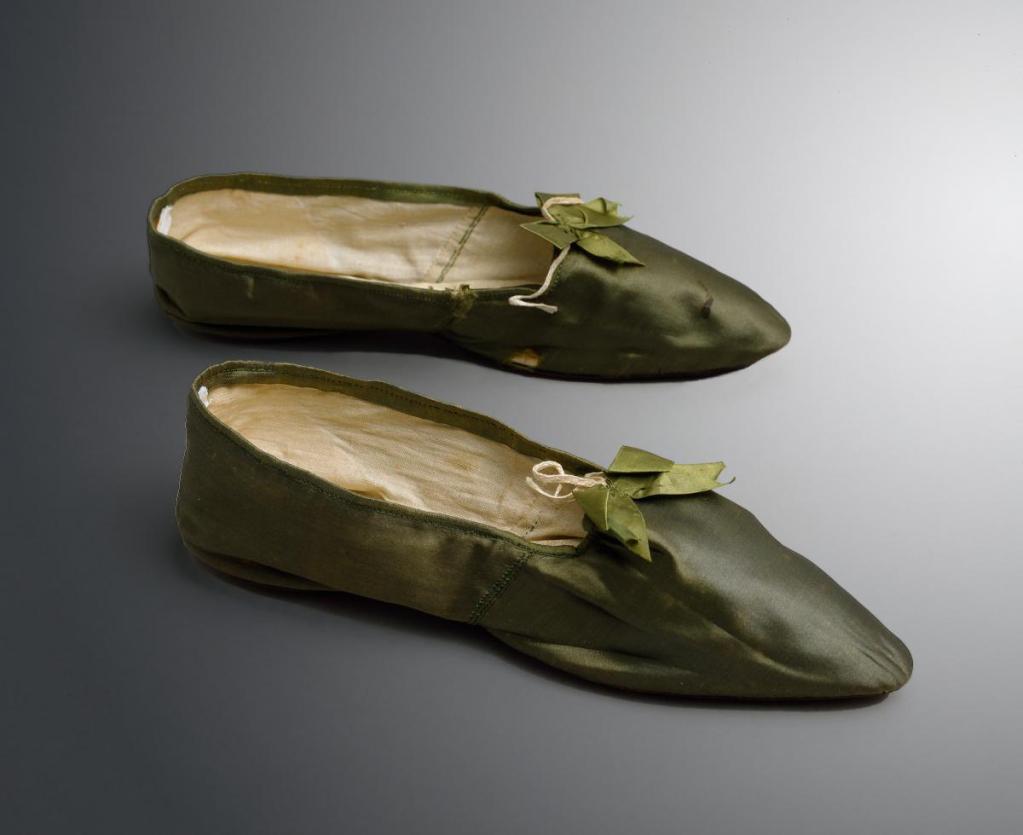
Beyond their aesthetic appeal, Regency indoor shoes symbolized a lady’s commitment to societal norms and her dedication to upholding the decorum of the era.
The meticulous craftsmanship and attention to detail that went into creating these shoes embodied the spirit of Regency elegance, allowing women to slip into a world of refined fashion and grace.